
What to Expect in Your Child’s First Year of Piano Lessons
What to Expect in Your Child’s First Year of Piano Lessons
Starting piano lessons is exciting — and sometimes overwhelming.
Parents often ask the same questions at the beginning: How much should my child practise? How quickly will they progress? Do they need a piano straight away? Understanding what’s normal in the first year makes the whole experience calmer and more enjoyable for everyone.
This guide isn’t about comparing children or creating pressure. It’s about setting realistic expectations, so you can support your child with confidence.

How Practice Works at Different Ages
Ages 5–7: Building the Habit
Young children have short attention spans. For this age group, 10–15 minutes of practice, 4–5 times per week is ideal.
What works well:
Short, frequent sessions
Practising at the same time each day
A parent nearby for encouragement
What tends not to work:
Long, infrequent practice sessions
Expecting children to motivate themselves
Irregular practice routines
Some days will go brilliantly. Others will be a struggle. That’s completely normal.

Ages 8–11: Growing Independence
Children in this age range can usually manage 20–30 minutes of practice, 4–5 times per week.
They’re old enough to start working independently, but they still need structure. Daily reminders and some supervision are common — and helpful. Many children at this stage begin preparing for graded exams, although this isn’t essential.
Clear, achievable goals make a big difference to focus and motivation.
Ages 11–18: Balancing Goals and Motivation
Teenage years can be tricky. Even advanced students need a balance between clear goals and personal musical interests.
For some students, exams can be motivating. Older students may even use higher-grade results (Grades 6–8) towards UCAS points. Others thrive better without exam pressure. Starting piano later can also be surprisingly successful when the focus is on learning rather than grades.
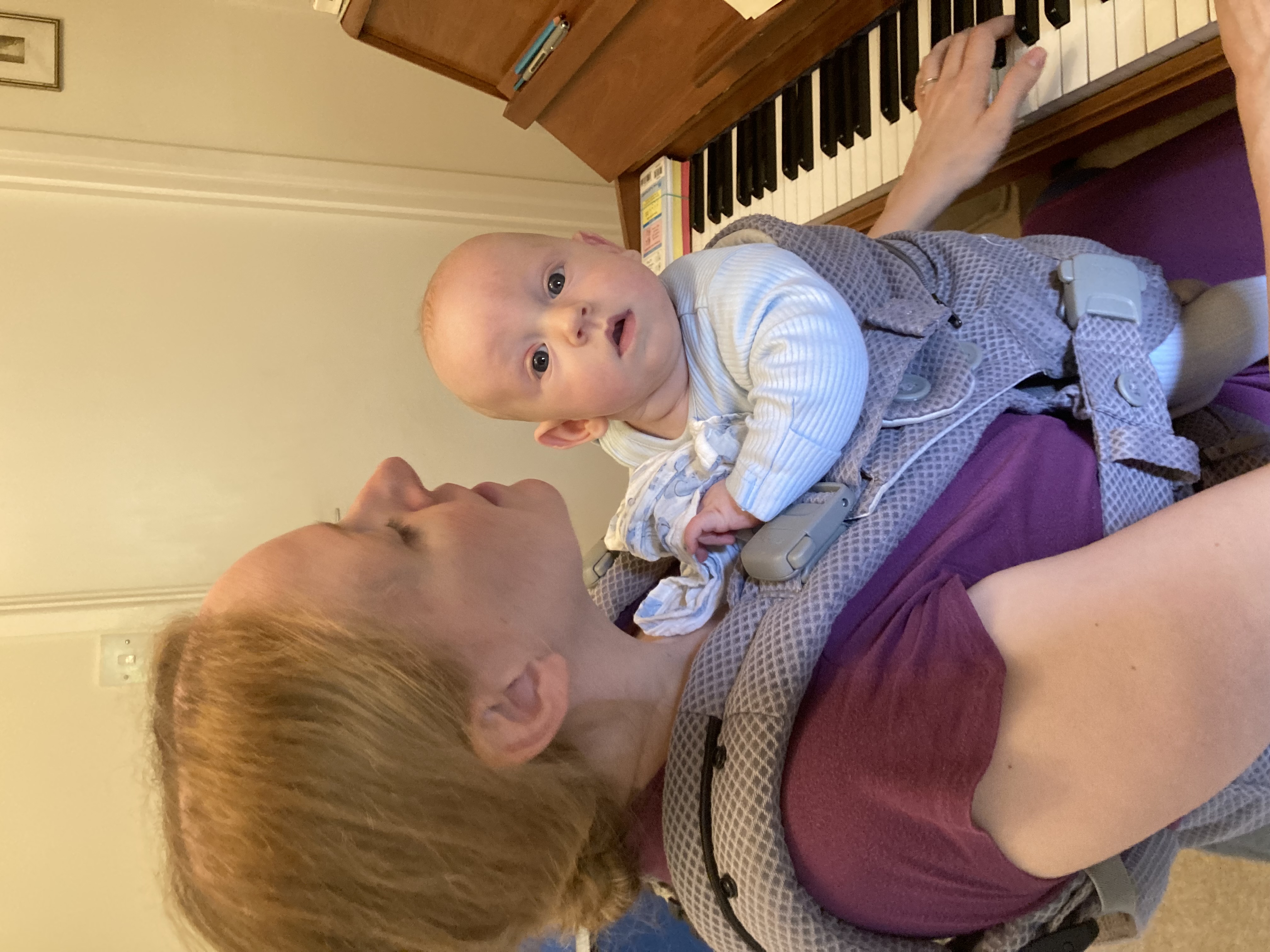
How Young Can a Child Start Piano Lessons?
For most children, five years old is the youngest sensible starting point for piano lessons.
More important than age is readiness. Your child should be able to:
Follow instructions
Know the alphabet
Understand basic maths
In practice, being in Year 1 at primary school is a good benchmark. Singing, dancing, and early exposure to music are wonderful foundations, but formal piano lessons benefit from a certain level of maturity.
Pianos and Keyboards: What to Buy (and When)
Starting Out: A Basic Keyboard
You don’t need a piano before a trial lesson. But once lessons are underway, you’ll need access to a keyboard within a week or two.
A basic keyboard under £100 is fine to start with. Look for:
At least 61 keys
Touch-sensitive keys (if possible)
This is perfectly adequate for the first few months while you see whether your child enjoys learning piano.

Upgrading to a Digital Piano
After 6–12 months, many families choose to upgrade to a full-size 88-key digital piano with weighted keys.
New instruments from brands such as Yamaha typically start around £300, while good second-hand models can cost less. These instruments work very well up to Grade 5 and beyond.
Key features to look for:
88 keys
Weighted or touch-sensitive keys
Headphone jack
Sustain pedal input
Accessories You’ll Need
In addition to the keyboard or piano, you’ll need:
A music stand (essential for reading music)
A stand for the keyboard
A chair or stool
Headphones (optional)
A sustain pedal (usually from around Grade 2)
What About Acoustic Pianos?
Acoustic pianos offer a richer sound and more nuanced touch, but they aren’t essential for beginners. Most students do extremely well on digital pianos, especially in the early years.
It’s absolutely fine to start with a basic keyboard or a second-hand digital piano and seek guidance before making a bigger investment.
How to Support Your Child (Without Creating Pressure)
Children who stick with piano long-term usually have parents who are engaged but not pressurising.
Helpful approaches include:
Sitting in on lessons
Noting the weekly practice focus
Sitting with your child during practice
Things that help motivation:
Asking, “Can I hear what you’re working on?”
Celebrating improvement rather than perfection
Keeping practice time predictable
Accepting that some weeks are harder than others
Things to avoid:
Comparing your child to others
Expecting them to always enjoy practice
Expecting perfect performances at concerts or exams

What Progress Actually Looks Like in the First Year
The First 3 Months
Most children can play simple, recognisable tunes within weeks. They learn basic hand position, note reading, and rhythm. Progress often feels fast because everything is new.
This is the ideal time to build strong practice habits.
Months 4–6: The First Plateau
Progress often slows during this period. This is when many children — and parents — feel discouraged.
What’s really happening is consolidation. The foundations being laid now matter far more than quick wins. Daily practice becomes especially important during this phase.
Months 7–12: Building Momentum
By the end of the first year, most children can:
Play with both hands together
Read music more fluently
Play pieces with basic expression
Some older students may be ready for Grade 1 exams, while others will be heading towards an ABRSM Prep Test in their second year. Patience and celebrating small wins are key.

Piano Exams: Structure vs Pressure
ABRSM exams divide opinion. Some families love the structure and clear progression they provide. Others find they introduce unnecessary pressure.
Benefits include:
Clear goals
Structured progression
Recognised qualifications
Learning to manage deadlines
Possible downsides include:
Anxiety
Exam fees (£60–£90)
Over-focus on a narrow set of pieces
Rushing through grades too quickly
Most children don’t take exams in their first year. Grade 1 typically happens in year two or three, depending on the child.
Performance Opportunities and Confidence
Regular performance helps build confidence — not just at the piano, but in any situation involving pressure.
Good teachers usually offer 2–3 student concerts per year in supportive, informal settings. Early performances often involve nervous children, imperfect pieces, and very proud parents. That’s exactly what they’re meant to be: celebrations of progress, not polished recitals.

Choosing the Right Piano Teacher
The first year of lessons lays the foundation — both musically and motivationally. A good start can lead to years of enjoyment. A poor fit can put children off for a long time.
Look for a teacher with:
The right personality for your child
Values that align with yours

What a Trial Lesson at Handside Music Looks Like
At Handside Music, we usually begin with a short chat via WhatsApp, SMS, or Facebook Messenger to see whether lessons might be a good fit.
If it seems right, you can book a trial lesson. The aim is to ensure your child feels comfortable with their teacher and that you feel confident in the approach.
There’s no pressure to commit immediately. You’re very much in the driving seat.
About Handside Music
We specialise in one-to-one piano lessons for primary-aged children (5–11) across Welwyn Garden City, Hatfield, St Albans, and surrounding areas. We also teach teenagers and adults — many of whom are parents of our students.
Michael and Jennifer have each taught piano for over 20 years and hold undergraduate and postgraduate music degrees from leading conservatoires. Lessons are usually taught in person from our home studio, with online lessons considered for suitable older students.
Curious About Piano Lessons for Your Child?
If you’ve read this far and your child is five or older, it’s worth having a conversation about whether piano lessons might be right for them.
Click here to open a Whatsapp chat with us
Click here to email us: [email protected]
