Does My Child Need a Piano at Home Before Starting Lessons?
This is one of the first practical questions parents ask when looking at piano lessons in Welwyn Garden City — and it's a good one. The honest answer: no, you don't need a piano before the first lesson, but you will need one soon after.
Here's what you actually need to know.
You Don't Need an Instrument on Day One
Your child's teacher will have a piano at the studio. You don't need anything at home to book that first lesson and see how your child gets on.
However — and this is important — without an instrument at home, your child cannot practise. And without practice, lessons won't stick. So if your child enjoys their first few sessions and you want to continue, getting something at home becomes essential pretty quickly.
Do You Need a Real Piano?
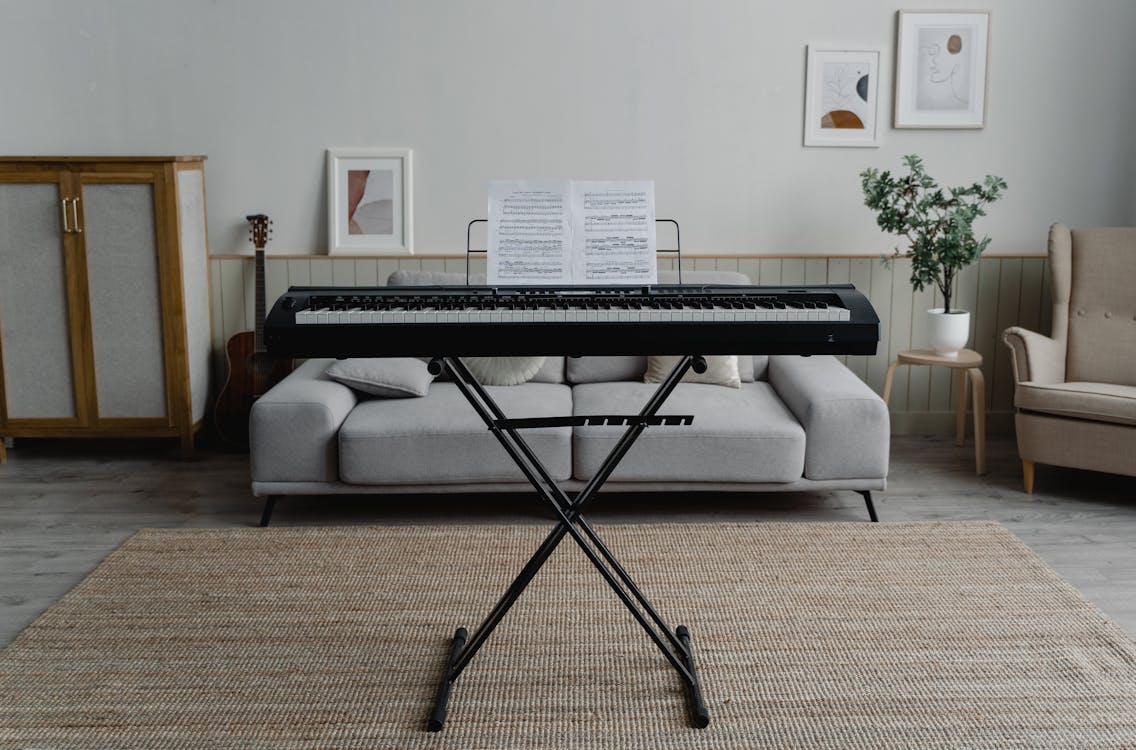
Not necessarily. A good quality beginner keyboard is a perfectly fine starting instrument, and many of our students begin this way.
What matters most is this:
This is one of the first practical questions parents ask when looking at piano lessons in Welwyn Garden City — and it's a good one. The honest answer: no, you don't need a piano before the first lesson, but you will need one soon after.
Here's what you actually need to know.
You Don't Need an Instrument on Day One
Your child's teacher will have a piano at the studio. You don't need anything at home to book that first lesson and see how your child gets on.
However — and this is important — without an instrument at home, your child cannot practise. And without practice, lessons won't stick. So if your child enjoys their first few sessions and you want to continue, getting something at home becomes essential pretty quickly.
Do You Need a Real Piano?
Not necessarily. A good quality beginner keyboard is a perfectly fine starting instrument, and many of our students begin this way.
What matters most is this:
Weighted keys. The keys should feel like a real piano — with resistance that varies depending on how hard you press. This builds the correct finger technique from the start. Non-weighted keys (the kind on cheap children's keyboards) teach bad habits that are hard to undo later.
At least 61 keys (5 octaves). Ideally 76 or 88. Your child won't use all of them immediately, but they'll need them within the first couple of years.
Touch sensitivity. The keyboard should respond to how hard or soft the key is pressed, producing louder or quieter sounds accordingly.
What to Buy: Approximate Costs
A decent beginner keyboard with weighted keys costs around £100–£250. Brands like Roland, Yamaha, and Casio all make reliable options in this range.
An upright acoustic piano — bought second-hand — can sometimes be found for free or very cheaply on Facebook Marketplace, but tuning and moving costs can add £200–£400. A good reconditioned upright from a reputable dealer typically costs £500–£1,500.
For most families starting out, a quality weighted keyboard is the practical choice.
Ask Your Teacher First
Before you buy anything, ask your child's teacher for a recommendation. They'll know what works for beginners at different price points, and they may have strong feelings about specific models. It's a short conversation that can save you money and avoid buying the wrong thing.
The Bottom Line
You don't need a piano to book your child's first lesson. But plan to have an instrument at home within the first month or two. A good weighted keyboard in the £150–£200 range is the most practical starting point for most families.
Want to know more about what to expect when your child starts learning? Read our full guide: What to Expect in Your Child's First Year of Piano Lessons.
Or contact Handside Music — we're happy to point you in the right direction.
Handside Music offers piano lessons for children and adults in Welwyn Garden City, St Albans, Harpenden, Hatfield, and Stevenage.The keys should feel like a real piano — with resistance that varies depending on how hard you press. This builds the correct finger technique from the start. Non-weighted keys (the kind on cheap children's keyboards) teach bad habits that are hard to undo later.
At least 61 keys (5 octaves). Ideally 76 or 88. Your child won't use all of them immediately, but they'll need them within the first couple of years.
Touch sensitivity. The keyboard should respond to how hard or soft the key is pressed, producing louder or quieter sounds accordingly.
What to Buy: Approximate Costs
A decent beginner keyboard with weighted keys costs around £100–£250. Brands like Roland, Yamaha, and Casio all make reliable options in this range.
An upright acoustic piano — bought second-hand — can sometimes be found for free or very cheaply on Facebook Marketplace, but tuning and moving costs can add £200–£400. A good reconditioned upright from a reputable dealer typically costs £500–£1,500.
For most families starting out, a quality weighted keyboard is the practical choice.
Ask Your Teacher First
Before you buy anything, ask your child's teacher for a recommendation. They'll know what works for beginners at different price points, and they may have strong feelings about specific models. It's a short conversation that can save you money and avoid buying the wrong thing.
The Bottom Line
You don't need a piano to book your child's first lesson. But plan to have an instrument at home within the first month or two. A good weighted keyboard in the £150–£200 range is the most practical starting point for most families.
Want to know more about what to expect when your child starts learning? Read our full guide: What to Expect in Your Child's First Year of Piano Lessons.
Or contact Handside Music — we're happy to point you in the right direction.
Handside Music offers piano lessons for children and adults in Welwyn Garden City, St Albans, Harpenden, Hatfield, and Stevenage.
